- Home
- News
- On 18 Feb 2026
- In Travel
Savannah Joins Charleston, Austin, Detroit, Myrtle Beach and Reno as America’s Former Best-Kept Secrets Turn Into the Hottest Travel Destinations Redefining U.S. Tourism
For decades, the global image of American tourism was dominated by a familiar group of destinations. New York symbolised ambition, Los Angeles glamour, Las Vegas excess, and Orlando family entertainment. These cities shaped international perceptions of travel in the United States and absorbed the bulk of visitor numbers, investments, and attention. Yet, beneath this established tourism hierarchy, a silent revolution has been unfolding.
This article examines how these six cities moved from obscurity to prominence, why travellers are choosing them, and what their rise means for the future of the US travel and tourism industry.
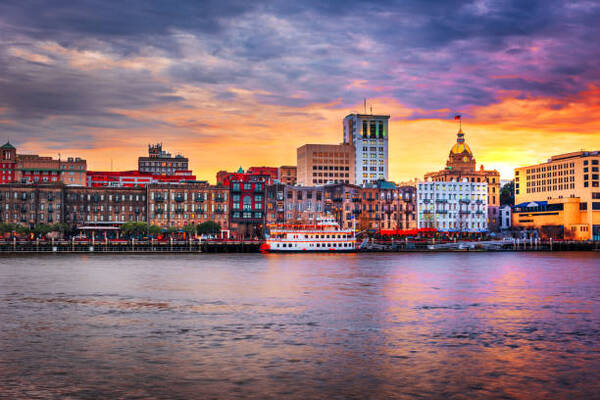
Savannah’s tourism story is a masterclass in how history, when strategically presented, can become a powerful economic engine. Once known mainly to history enthusiasts and regional travellers, Savannah has evolved into a mainstream destination that attracts leisure tourists, cruise passengers, conference delegates, and experiential travellers from around the world.
The city’s success lies in its ability to transform preserved heritage into living experiences. Savannah’s historic squares, colonial architecture, riverfront district, and centuries-old urban design were not over-modernised. Instead, they were framed as immersive attractions. Visitors are encouraged to walk, explore, listen, and participate rather than simply observe.
Savannah also capitalised on experiential tourism trends. Ghost tours, cultural storytelling, culinary trails, river cruises, and boutique accommodations turned the city into a destination that appeals across age groups and travel segments. The expansion of hospitality infrastructure, improved air connectivity, and targeted destination branding elevated Savannah from a charming Southern stop to a high-volume tourism hub.
Importantly, Savannah’s tourism growth has been sustained rather than seasonal. Events, conventions, weddings, and cultural festivals now drive year-round visitation. The city demonstrates how mid-sized destinations can scale tourism without losing identity, provided growth is guided by narrative and place-based planning.
Charleston represents another powerful example of heritage-led tourism success. Historically admired for its architecture and coastal charm, Charleston was once a destination that appealed mainly to cultural travellers and history lovers. Over time, however, the city transformed this niche appeal into mainstream demand.
Charleston’s tourism rise did not come from expansion but from careful protection. Strict architectural controls, historic preservation laws, and community-led tourism planning ensured that development enhanced rather than diluted the city’s character. This authenticity became Charleston’s strongest selling point in a global market saturated with generic urban experiences.
Culinary tourism played a significant role in Charleston’s ascent. The city positioned itself as a food capital rooted in Lowcountry traditions while embracing innovation. Fine dining, heritage cuisine, and food festivals created international visibility and encouraged longer stays.
Cruise tourism, luxury hotels, destination weddings, and cultural tourism collectively pushed Charleston into the upper tier of US travel destinations. The city’s experience highlights a crucial industry lesson: travellers increasingly reward destinations that protect their soul rather than sacrifice it for rapid expansion.
Austin’s tourism boom is inseparable from its cultural identity. Live music venues, creative festivals, food trucks, outdoor spaces, and a strong sense of individuality shaped a city brand that feels authentic and aspirational. Travellers are not drawn to a single attraction but to an entire way of life.
The city also benefited from broader economic shifts. The growth of the technology sector and the rise of remote working turned Austin into both a relocation hotspot and a travel destination. Visitors arrive for events and stay for lifestyle exploration, blending business travel with leisure experiences.
Austin’s success demonstrates how tourism can thrive without traditional landmarks. Cities that offer atmosphere, energy, and community can compete effectively on the global stage. This model represents a growing segment of American tourism focused on cultural immersion rather than sightseeing alone.
For much of the late twentieth century, Detroit was absent from mainstream tourism conversations. Known internationally for its industrial decline, the city was rarely considered a travel destination. Today, that perception is changing rapidly.
Detroit’s tourism growth is rooted in reinvention rather than reinvention theatre. The city embraced its past instead of erasing it. Automotive heritage, Motown music, industrial architecture, and creative resilience became storytelling tools that attracted culturally curious travellers.
New museums, music venues, independent restaurants, and arts districts redefined Detroit’s visitor experience. Affordable accommodation and value-driven travel further increased its appeal, especially among domestic tourists seeking meaningful, budget-friendly urban experiences.
Myrtle Beach illustrates how traditional resort destinations can reinvent themselves for sustained growth. Long known as a family beach holiday location, Myrtle Beach has evolved into one of the most visited destinations in the United States.
The city expanded beyond sun-and-sand tourism by diversifying its offerings. Golf tourism, entertainment complexes, live shows, festivals, and sports events created reasons to visit throughout the year. This diversification reduced dependency on peak summer seasons and stabilised tourism revenue.
Infrastructure investment played a key role. Hotel capacity expanded significantly, transportation improved, and visitor services became more sophisticated. Myrtle Beach successfully transitioned from a regional holiday spot to a national tourism powerhouse.
This evolution underscores an important industry insight: volume tourism can be sustainable when paired with product diversification. Myrtle Beach shows that mass tourism does not have to mean monotony when experiences continue to evolve.
Reno offers a compelling example of destination repositioning. Historically associated with casinos and gaming, Reno faced the challenge of differentiation in the shadow of Las Vegas. Rather than competing directly, the city chose reinvention.
Reno shifted its tourism focus towards outdoor adventure, wellness travel, and cultural experiences. Proximity to mountains, lakes, and natural landscapes allowed the city to attract visitors interested in hiking, skiing, cycling, and water activities. This repositioning broadened Reno’s audience and reduced reliance on gaming tourism.
Urban revitalisation further enhanced appeal. Downtown redevelopment, cultural festivals, and family-friendly attractions created a more balanced tourism offering. Reno’s transformation illustrates how destinations can future-proof tourism by embracing lifestyle and experience-based travel.
Despite their differences, these six cities share common success factors. All invested in strong destination branding rooted in identity. All improved accessibility through transport and accommodation growth. Most importantly, all aligned tourism development with changing traveller values.
Today’s travellers seek connection, not consumption. They prioritise walkable cities, local culture, food authenticity, and emotional storytelling. These destinations responded quickly to those demands, while larger cities often struggled with overcrowding and rising costs.
The post-pandemic travel environment accelerated this shift. Domestic travel surged. Short-haul trips increased. Cities offering depth without chaos gained attention. Savannah and its peers benefited from being human-scale destinations in an era of experience-driven tourism.
Tourism growth in these cities extends beyond visitor numbers. It fuels employment, revitalises neighbourhoods, supports small businesses, and generates tax revenue. Hotels, restaurants, transport providers, and cultural institutions all benefit from sustained tourism demand.
Savannah’s tourism economy supports thousands of jobs. Austin’s visitor spending reinforces its creative industries. Detroit’s tourism growth contributes to urban regeneration. Myrtle Beach and Reno rely on tourism as a primary economic pillar.
When managed strategically, tourism becomes a stabilising force rather than a disruptive one. These cities demonstrate that balanced growth can strengthen communities while enhancing visitor experiences.
Rapid tourism growth brings challenges. Housing affordability, congestion, environmental pressure, and resident fatigue are real concerns. Savannah and Charleston, in particular, face questions around overtourism and community balance.
The next phase of success will depend on governance. Sustainable tourism policies, visitor dispersal strategies, and community engagement are essential. Growth without planning risks eroding the very qualities that made these destinations attractive.
The future belongs to cities that can manage success as effectively as they achieved it.