- Home
- News
- On 10 Feb 2026
- In Travel
Air Canada, WestJet, and Sunwing Respond to Cuba’s Fuel Shortage With Flight Suspensions and Delays Through March 2026: Here’s What You Need to Know
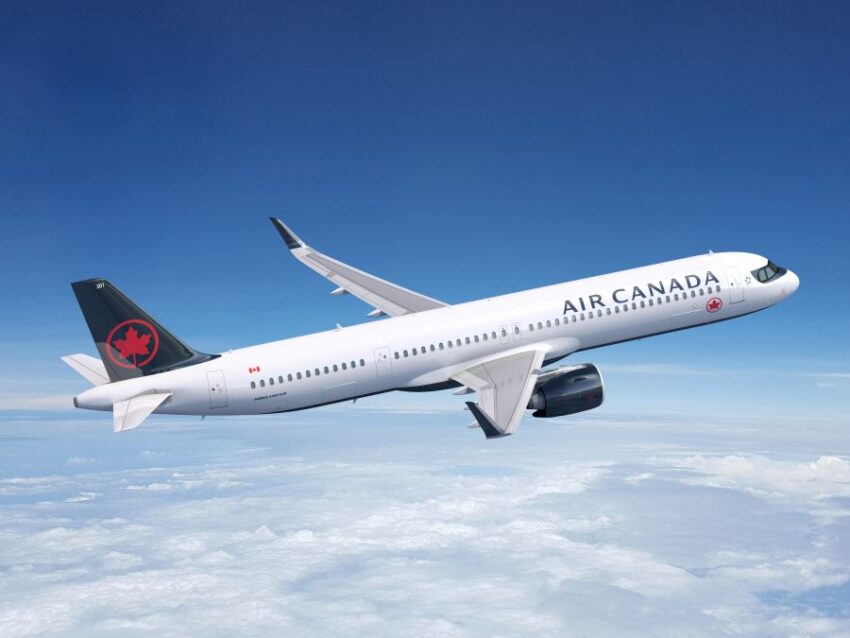
Air Canada, WestJet, and Sunwing have all announced flight suspensions to Cuba due to a severe Jet A-1 fuel shortage impacting airports across the island. The aviation fuel crisis, which has left airports like Havana’s José MartàInternational, Varadero, and Cayo Coco unable to refuel commercial flights, has prompted these major Canadian carriers to halt services, severely affecting travelers with scheduled departures to Cuba. This disruption is expected to last until March 11, 2026, as the Cuban government continues to deal with a critical shortage of aviation fuel, exacerbated by external geopolitical factors and internal supply chain challenges.In a move prompted by an escalating crisis, Air Canada has officially suspended its flights to Cuba, halting service to major airports including Havana, Varadero, and Cayo Coco. This suspension, which comes in response to a severe aviation fuel shortage across the island, is expected to significantly disrupt travel for thousands of Canadians and other international passengers.
The shortage, which has left Cuban airports struggling to secure adequate fuel supplies, particularly the crucial Jet A-1 fuel needed for commercial aviation, is a critical issue that is expected to last for at least a month. The Cuban government has already announced emergency measures, while Canada’s Global Affairs Department issued an advisory urging travelers to exercise caution.
Here’s a detailed look at the situation and how it impacts air travel between Canada and Cuba in the coming weeks.
The suspension primarily affects Air Canada passengers scheduled to fly to Cuba, particularly those planning to depart from airports such as Toronto Pearson International and Montreal Pierre Elliott Trudeau International. Air Canada, which is the largest Canadian airline serving Cuba, confirmed the cancellation of all scheduled flights to Cuba. This includes Havana, Varadero, and Cayo Coco, which are popular destinations for both leisure and business travelers.
As of February 10, 2026, approximately 3,000 passengers are stranded in Cuba. Air Canada is focusing its efforts on repatriating these individuals by sending empty ferry flights to Cuba to pick them up. The airline has also emphasized its commitment to providing full automatic refunds for affected travelers whose trips are cancelled due to the ongoing fuel shortage.
The fuel shortfall is compounded by rationing measures introduced by the Cuban government in early February 2026. These measures prioritize fuel distribution for vital services such as healthcare, agriculture, and water supply, which has led to aviation fuel being deprioritized for civilian aviation. As a result, commercial airlines, including Air Canada, have been unable to refuel their aircraft at Cuban airports.
The fuel crisis is projected to last until at least March 11, 2026, according to the official Cuban aviation notice. However, the situation remains fluid, with Cuban President Miguel DÃÂaz-Canel hinting at further economic restructuring if the fuel blockade remains in place. As of February 9, 2026, there is no clear end date for the crisis, making it uncertain when aviation services will return to normal.
In the meantime, Air Canada and other airlines operating to Cuba are forced to adjust their flight operations. For Air Canada, this means an immediate suspension of all services, while other airlines are exploring options such as technical stops or tankering to continue flights while managing the fuel crisis.
The most affected regions in Cuba include Havana, Varadero, and Cayo Coco. These three airports serve as major international gateways, handling a large volume of tourism traffic from around the world, including Canada, the United States, and Europe. Among these, Havana’s José MartàInternational Airport (HAV) is the busiest and most impacted, with Jet A-1 fuel completely unavailable as of February 10, 2026.
Additionally, Cuban regional airports, such as HolguÃÂn and Santa Clara, are also grappling with severe fuel shortages. These airports, while less frequented than Havana, are still important for seasonal tourism. Many international airlines, including Air Canada, have had to cancel flights to these regions for the remainder of the season due to the fuel outage.
Furthermore, the Cuban Ministry of Tourism has acknowledged that the fuel shortage is affecting resorts and other tourist services, leading to shortages of basic necessities such as food, water, and electricity. Many all-inclusive resorts are operating with limited resources due to power rationing, which affects air conditioning, hot water, and food supplies.
Both the Canadian and Cuban governments are actively monitoring the situation. Global Affairs Canada (GAC) has advised against non-essential travel to Cuba and has upgraded its advisory to warn about the impact of the ongoing fuel crisis. GAC has emphasized that the fuel shortage could cause further disruptions to flight schedules and resort operations, particularly in regions like HolguÃÂn and Santa Clara, where resort infrastructure is already struggling.
In Cuba, the government is focused on prioritizing fuel for vital services, such as health and agriculture, while aviation is largely relegated to a lower priority. Cuban authorities have stated that they are working with international partners to restore normal fuel supplies but have not provided a concrete timeline for when the situation will be resolved.
For those who had planned trips to Cuba in the coming weeks, it’s critical to stay updated on changes to flight schedules and advisories. While Air Canada has fully suspended its operations, other carriers, including WestJet, Sunwing, and Air Transat, have indicated they will continue flying, but delays, cancellations, and schedule changes should be expected. Passengers are encouraged to check with airlines for the latest information and to consider alternative travel plans if necessary.
The aviation fuel shortage in Cuba has become a serious logistical challenge, affecting airlines, tourists, and the Cuban economy. Air Canada’s decision to suspend flights to Cuba underscores the severity of the situation, while other airlines continue to adapt by implementing workarounds. With the fuel crisis expected to last until March 11, 2026, travelers to Cuba should expect ongoing disruptions to both air travel and tourist services. Passengers are advised to exercise caution, stay informed, and plan accordingly as the situation continues to evolve.